


The Men Who Revolutionized Food Preservation: Nicolas Appert and Louis Pasteur
Nicolas Appert and Louis Pasteur
Before grocery stores, meal kits, or late-night takeout existed, early humans faced one massive, non-negotiable problem: food starts spoiling the moment it is gathered or hunted. To survive, every major culture across history had to learn how to outsmart nature.
Preserving food was the ultimate game-changer. It allowed humanity to stop endlessly chasing wild herds, build permanent homes, and establish actual communities. Instead of consuming an entire harvest or hunt before it spoiled, we learned to store abundance for lean times through sun-drying, cold freezing, fermentation, pickling, and salt-curing.
However, the greatest technological leap in food preservation didn't happen in antiquity—it was forged by two men whose work transformed global survival: Nicolas Appert and Louis Pasteur.
Nicolas Appert: The Father of Modern Canning
In the 1790s, the French military faced a devastating problem: more soldiers were dying from malnutrition and spoiled food than from actual battle. To solve this logistical crisis, the French government offered a massive 12,000-franc prize to anyone who could invent a practical way to preserve food for long military campaigns.
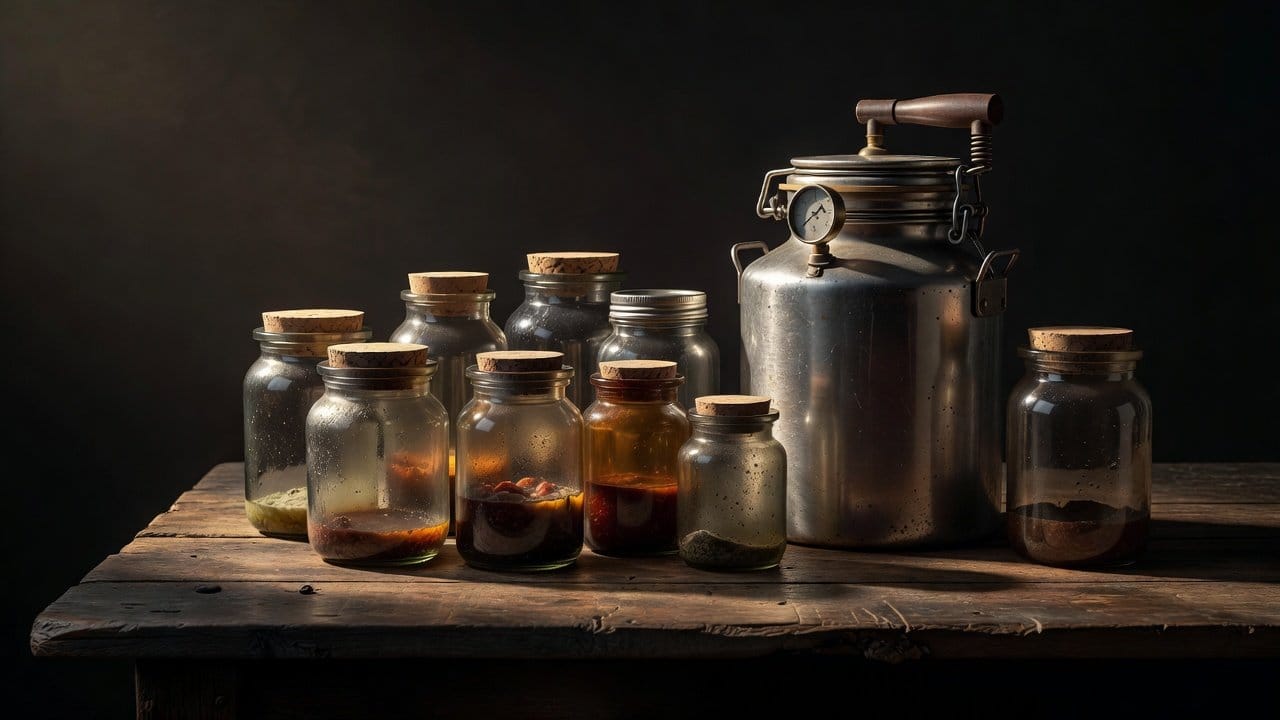
A French chef and confectioner named Nicolas Appert stepped up to the challenge. Spending over 14 years experimenting with heat treatment and airtight seals, Appert perfected a groundbreaking process:
Packing fresh food tightly into thick glass bottles and jars.
Corking and sealing them with wire and wax to exclude air.
Submerging the sealed jars in boiling water for extended periods.
In 1810, Appert officially claimed the prize and published his landmark book, The Art of Preserving All Kinds of Animal and Vegetable Substances for Several Years. Soon after, tin cans replaced fragile glass bottles for military rations, giving birth to commercial canning.
Louis Pasteur: Unlocking the Science Behind the Seal
Appert knew that his boiling method worked, but he didn't know why. He mistakenly believed that simply excluding air was what kept the food from rotting.
It wasn't until 1864 that French chemist and microbiologist Louis Pasteur unlocked the mystery. Pasteur proved that invisible microorganisms—bacteria, yeast, and mold spores—were the true cause of food spoilage and disease. He demonstrated that Appert’s heat treatment was actually destroying these heat-sensitive pathogens and creating a sterile environment inside the container.
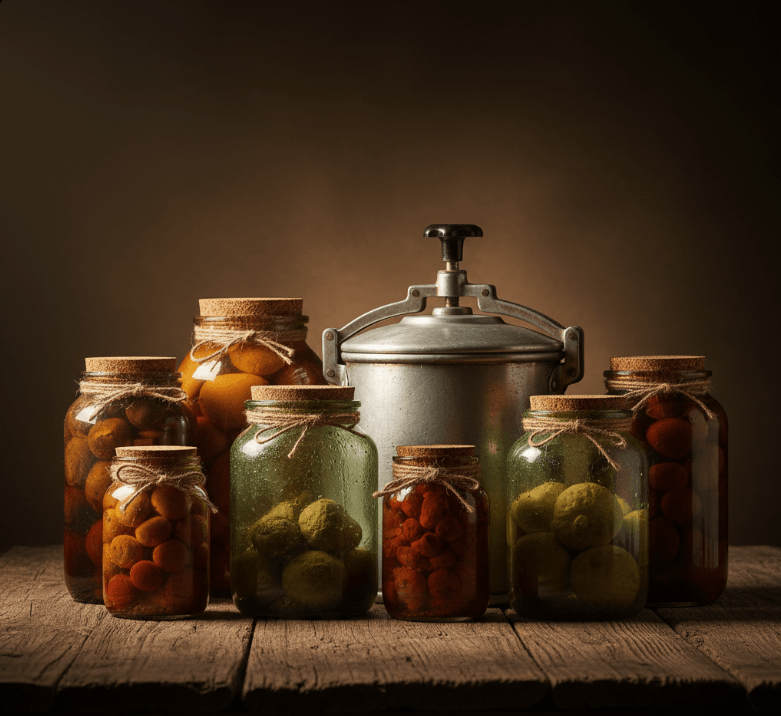
Pasteur’s scientific discovery validated Appert’s hands-on engineering. Once the microbial science was fully understood, safety standards expanded rapidly, leading to the development of pressurized thermal canners designed to safely destroy heat-resistant spores like Clostridium botulinum.
Modern Off-Grid Food Security
While food preservation began as a life-or-death survival necessity, it has evolved into a vital discipline of food self-reliance and culinary heritage. Understanding thermal processing, pH thresholds, and preservation science allows modern homesteaders, chefs, and preppers to build absolute food security straight from the kitchen.
Stop leaving your family’s budget and food security to modern supply chains. When you join today, you get immediate access to the complete Full Spectrum Vault—including complete thermal timing charts, 1930s protein yield blueprints, and the 190-page Emergency Family Planner.
Plus, as an active member, you will continually receive these archival preservation technologies and kitchen frameworks as our team releases them.
Unlock the Full Spectrum Vault Today
👇 Click Below 👇
[Click Here to Claim Access to The Full Spectrum Vault Bundle Today]
Click Here to Claim Access to The Full Spectrum Vault Bundle Today



Embrace. Elevate. Excel. Your source of inspiration for family, fitness, food, and lifestyle.
Created by J Mendez